

May 13, 2026
Best Hunting Knives: A Complete Guide for Serious Hunters
March 13, 2026The Dagger: History, Design, and the Art of Collecting Double-Edged Blades
April 25, 2026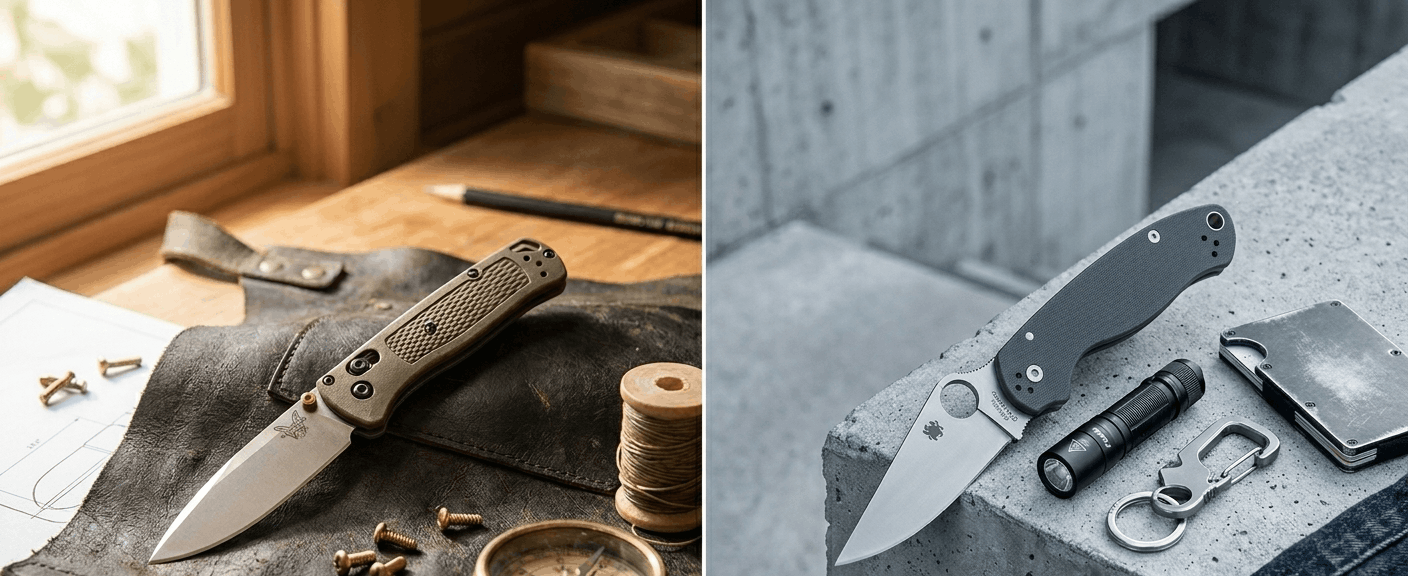
Blade Shapes and What They're Best For
Pocket knife blade shapes are more varied than most people realize, and each offers distinct advantages. The drop point is the most versatile — a strong, controllable tip with a good belly for slicing. The clip point offers a sharper, more precise tip for piercing and detail work. The sheepsfoot blade has a flat edge and a curved, non-pointed spine — excellent for cutting where you don't want to accidentally stab something. The tanto features a reinforced tip with angular geometry, prioritizing tip strength for penetration tasks. Wharncliffe blades have a straight edge and a spine that curves dramatically to the tip, offering exceptional control for precise cuts. For most everyday carry users, a drop point or clip point in the 3- to 3.5-inch range covers virtually all daily needs.
A pocket knife you don't carry is useless, so carry comfort matters as much as blade performance. The best everyday carry pocket knives are slim enough to not print noticeably in a pocket, light enough to forget about during extended wear, and easy to access when needed. A quality deep-carry clip positions the knife below the pocket line, reducing snag points and keeping the knife more discreet. Reversible clips allowing left- or right-hand carry are a welcome feature for left-handed users. Opening mechanisms — thumb studs, flippers, or wave features — should allow confident one-handed opening appropriate to your dominant hand and typical use scenarios.
Pocket Knife Buying Guide: How to Choose the Perfect EDC Blade
The pocket knife is the most democratic of blades — the one most people carry, use daily, and rarely think about until the moment they need it. But for those who pay attention, the differences between pocket knives are vast and meaningful. A quality pocket knife, chosen with care and maintained with respect, becomes an extension of the hand — ready to open packages, process food, cut cord, prepare kindling, or perform any of the hundred small cutting tasks that arise in daily life. This guide will help you cut through the confusion and find the perfect everyday carry pocket knife.
Lock Types: Your Safety Net
A pocket knife's locking mechanism is its most critical safety feature — it keeps the blade open and in place during use. The liner lock is the most common: a spring-tensioned liner inside the handle flexes into place behind the blade tang when opened. The frame lock works similarly but uses a portion of the handle frame itself, providing a more robust lockup. The lockback uses a spine lock that snaps into a notch on the blade tang — extremely strong and commonly found on Buck-style knives. Axis locks, ball-bearing locks, and compression locks each offer variations on these themes, with some allowing ambidextrous operation or smoother disengagement. For heavy use, prioritize frame locks and lockbacks; for smooth daily carry, liner locks and axis-style locks are hard to beat.
Handle Materials: Aesthetic Meets Function
The handle is where your pocket knife meets your hand, and the material choices are extraordinary. G10 — a fiberglass laminate — is lightweight, grippy, moisture-resistant, and extremely durable. Carbon fiber offers similar properties with a dramatic visual appeal and even lighter weight. Titanium handles are beautiful, corrosion-proof, and develop a unique patina over time with anodizing. Natural materials — wood, bone, mother of pearl, and stag horn — offer warmth and character that synthetic materials can't replicate. For everyday carry in tough conditions, G10 and titanium lead the pack. For dress carry or collection, exotic natural materials create genuinely beautiful objects that reward daily handling.
Pocket knife blade steel has never been better than it is today. The spectrum runs from accessible steels like AUS-8 and 8Cr13MoV — affordable, reasonably sharp, easy to resharpen — to premium powdered metallurgy steels like S30V, S35VN, and M390 that hold an edge for an almost implausible amount of use before requiring attention. For most everyday carry users, a mid-tier steel like 154CM, D2, or VG-10 hits the sweet spot: excellent edge retention, good corrosion resistance, and straightforward sharpening. Those who process heavy-duty materials daily may benefit from the premium steels' extraordinary edge retention, accepting the harder sharpening process they require.
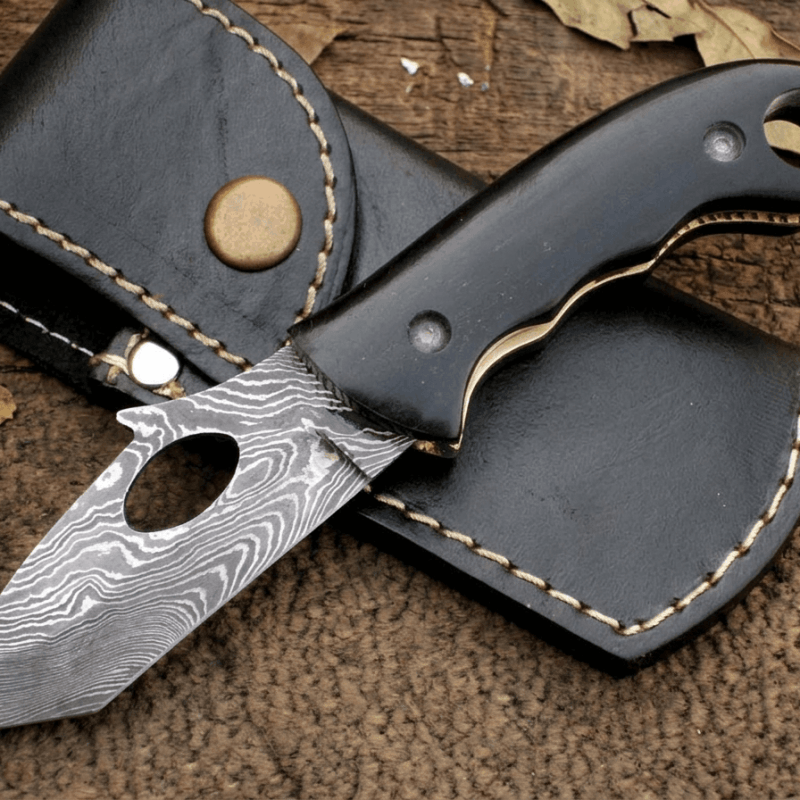
Handcrafted Folding Knife | Bespoke Custom Pocket Blade
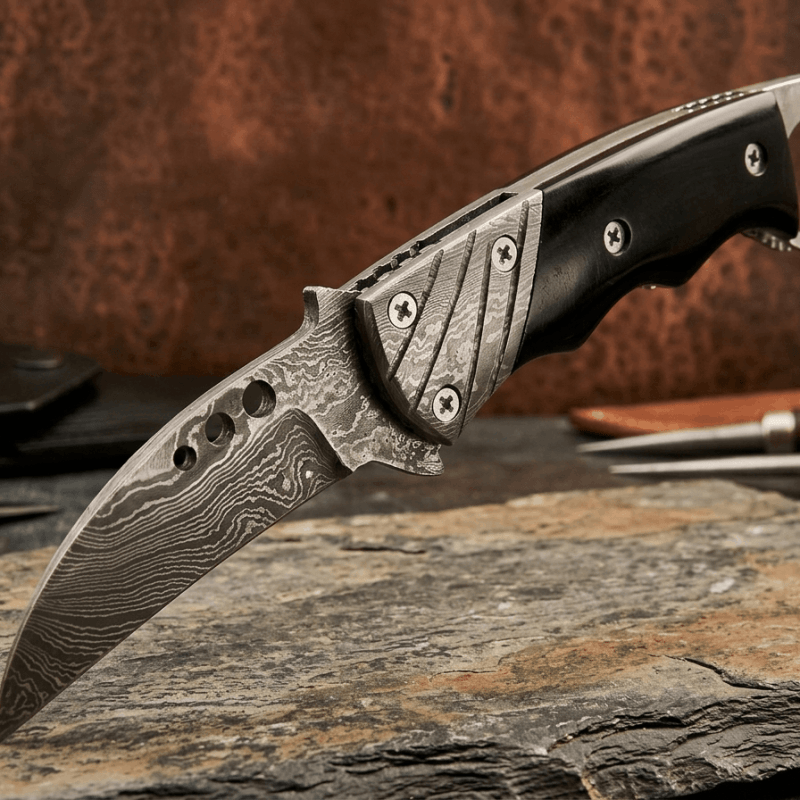
Original price was: $132.00.$120.00Current price is: $120.00.Artisan Engraved Folding Knife | Personalized Gift Pocket
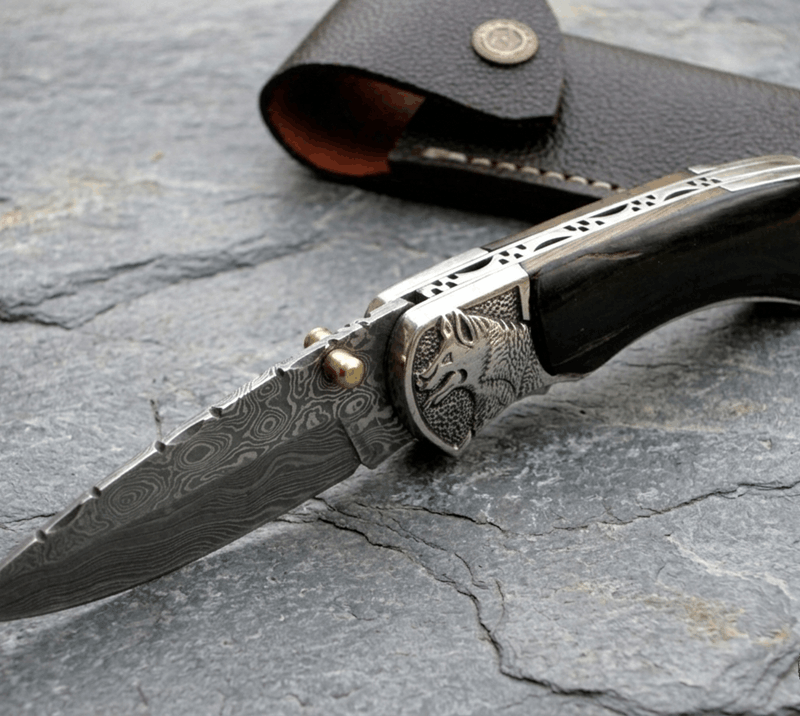
Original price was: $120.00.$99.00Current price is: $99.00.Black Shadow Folding Knife | Tactical Stealth EDC Pocket
Original price was: $195.00.$160.00Current price is: $160.00.
Your ideal pocket knife is out there — one that fits your hand, your style, your daily tasks, and your budget. The investment in a quality everyday carry blade pays dividends every single day in confidence, capability, and the quiet satisfaction of carrying a well-made thing. Browse our curated selection of folding pocket knives, including handcrafted Damascus options that bring artisan quality to your everyday carry.
Author : John Willie
RELATED POSTS

April 25, 2026