

Custom Knives Utah - FILLET
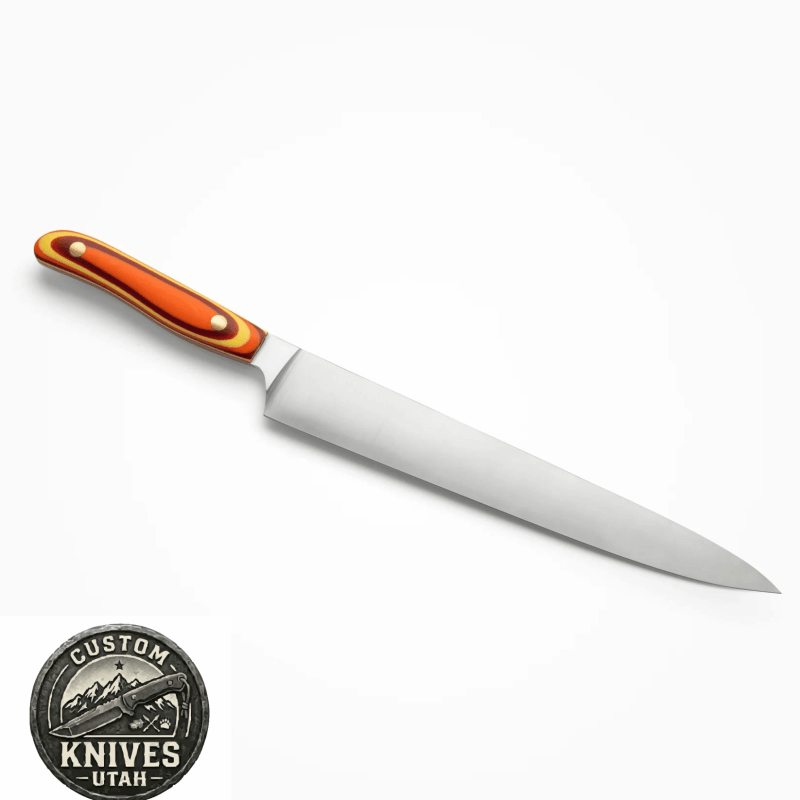
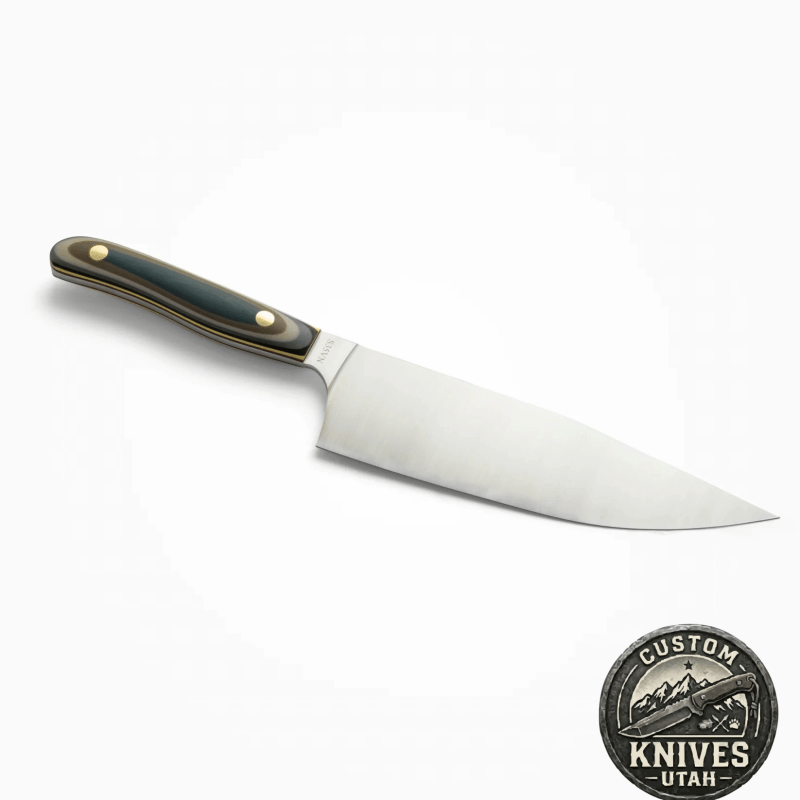
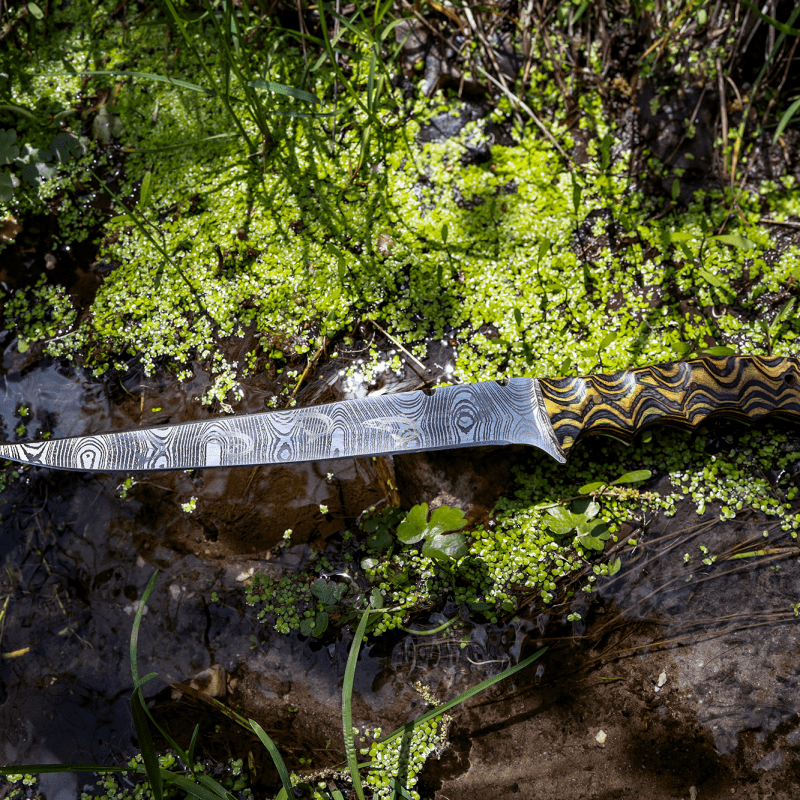
Crafted for finesse and control, our fillet knives are designed for clean, precise cuts every time. With custom handle options for a comfortable grip, each blade offers flexibility, sharpness, and balanceperfect for preparing fish with ease, whether in the kitchen or out in the wild.
Fillet Knives, The Blade Built for Perfect Cuts
What is a fillet knife?
A fillet knife is a long, thin, highly flexible blade specifically designed for removing the flesh of a fish cleanly from its bones and skin. Unlike general-purpose kitchen knives, the fillet knife's defining characteristic is its blade flexibility a quality that allows the blade to follow the contours of a fish's skeleton with precision, minimising waste and producing uniform, presentation-ready fillets.
Fillet knives typically feature blades ranging from 6 to 11 inches in length, a narrow profile, and an upswept tip that provides control during delicate cuts. They are used by freshwater anglers, saltwater fishermen, commercial processors, sushi chefs, and professional cooks who demand clean, efficient fish preparation at volume.
Steel choice: stainless vs. high carbon
For fillet knives, stainless steel is the dominant and generally recommended choice. Fish processing involves constant exposure to moisture, blood, salt, and acids — an environment that quickly corrodes carbon steel without diligent maintenance. Stainless alloys such as 420HC, 440C, and 9Cr18MoV resist corrosion reliably while still holding a sharp working edge. Premium Japanese stainless steels like VG-10 and AUS-10 push further, offering exceptional sharpness retention alongside rust resistance.
High-carbon steel fillet knives do exist and are prized by serious culinary professionals for their superior edge sharpness and ease of honing, but they demand thorough cleaning, drying, and oiling after every use. For field use by anglers, stainless steel is almost always the more practical and durable choice.
Why blade flexibility matters
The flexibility of a fillet knife's blade is not a compromise, it is an engineered advantage. A rigid blade cannot navigate around pin bones, follow the lateral line of a fish, or glide smoothly beneath the skin without tearing. A properly flexible fillet blade bends as needed, maintaining contact with the bone at every point of the cut and allowing the angler or chef to extract the maximum yield from each fish.
Flexibility is rated on a spectrum. Ultra-flexible blades suit thin-skinned species like trout and tilapia. Medium-flex blades handle most freshwater fish and mid-size saltwater species. Stiffer fillet knives sometimes called semi-flex are better suited for large, thick fish such as salmon, tuna, halibut, or large bass where a whippy blade would lack control.
Your Knife, Your Identity.
Stand out with custom handles and uniquely designed blades tailored to your needs. From engraved masterpieces to tactical and outdoor essentials, we’ve got it all.
Explore engraved knives, hunting tools, folding blades, tantos, axes and morebuilt exactly the way you want.
Special Edition Fish Fillet Knife | Precision Seafood Tool
Original price was: $168.00.$145.00Current price is: $145.00.Western Chef Blade Special
Original price was: $175.00.$149.00Current price is: $149.00.Premium Handle Chef Knife (4) | Ergonomic Professional Blade
Original price was: $249.00.$199.00Current price is: $199.00.Fillet Knife | Professional Slicing Blade
Original price was: $240.00.$199.00Current price is: $199.00.