

May 13, 2026
Chef Knife Guide: Choosing a Handcrafted Kitchen Blade That Transforms Your Cooking
September 23, 2025Survival Knife Guide: What to Look For When Your Life Depends on the Blade
October 20, 2025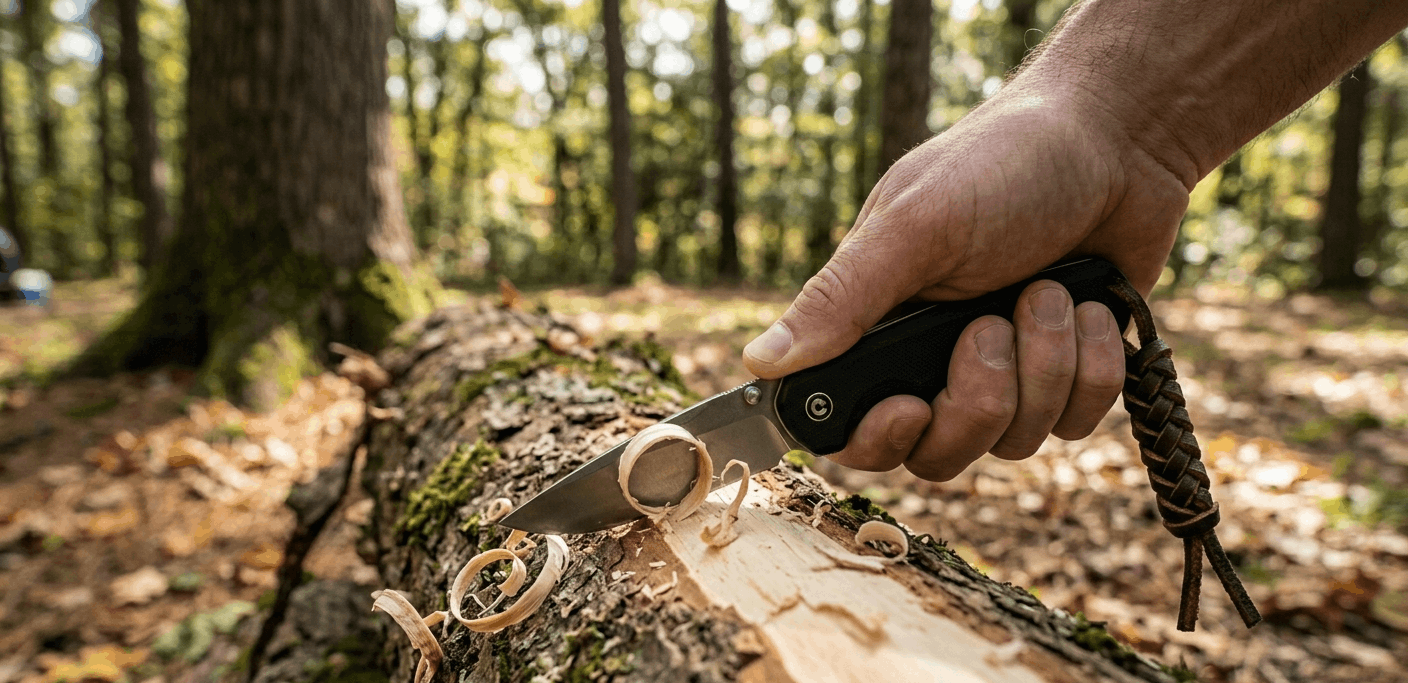
Pivot Systems: The Mechanical Heart of the Folder
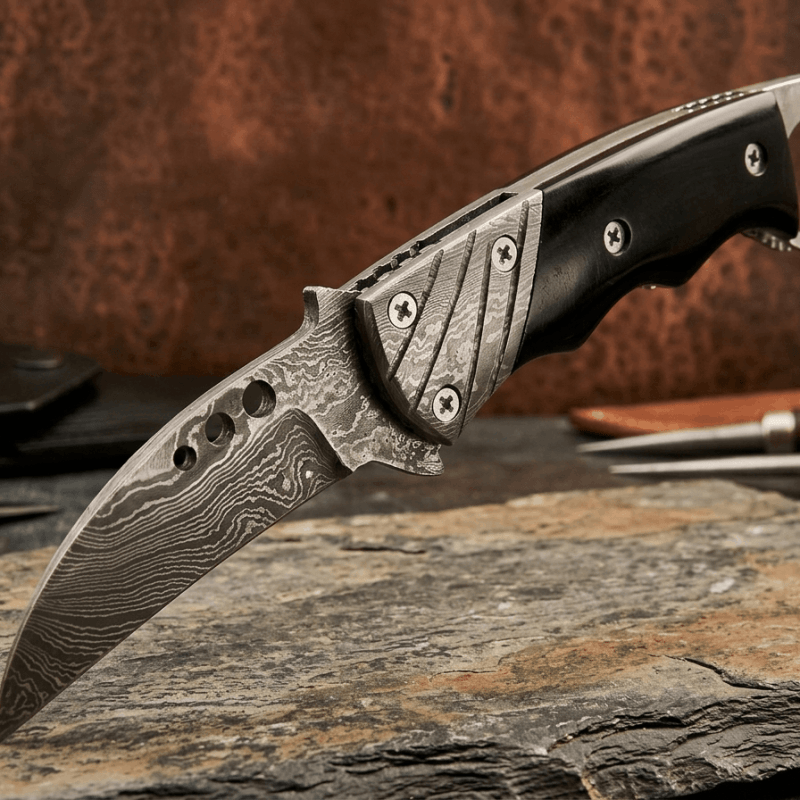
The pivot is where the blade rotates and where quality is most immediately felt. Traditional knives used simple pins — functional but creating friction that makes opening stiff and leads to wear over time. Modern quality folders use bearing-based pivots, with small balls or washers that dramatically reduce friction. Ball-bearing pivots, popularized by high-end makers and now widespread across quality folders, allow the blade to open with a satisfying, fluid snap using minimal force. The pivot must also be tunable — allowing the user to adjust tension between too loose (blade drops out on its own) and too tight (hard to open). Quality pivots use precision-machined components that maintain consistent tension over thousands of cycles.
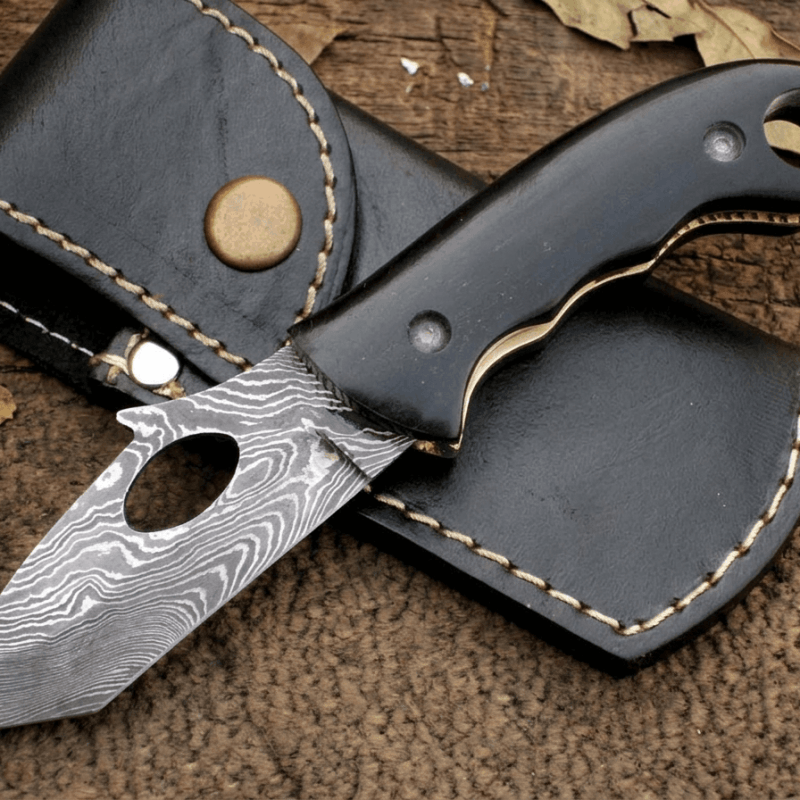
Modern folding knives offer a variety of one-hand opening mechanisms, each with advantages for different users and situations. Thumb studs are projections on the blade that allow the thumb to push the blade open — reliable, unambiguous, and available for both right- and left-hand use when placed on both sides. Thumb holes cut through the blade provide similar functionality with a cleaner aesthetic. Flippers are ramps on the blade that, when pushed by the index finger, cause the blade to swing open — fast, intuitive, and particularly smooth on bearing-pivot folders. Wave features hook the pocket edge as the knife is drawn, opening the blade automatically extremely fast for deployment but requiring practice to use safely and consistently.
Folding Knife Mastery: How to Choose, Use, and Maintain a Quality Folder
The folding knife occupies a unique intersection in the blade world — it combines the utility of a fixed blade with the carry convenience of a tool that disappears safely into a pocket. From the working person's utility folder to the enthusiast's precision-crafted collection piece, the folding knife encompasses an extraordinary range of designs, mechanisms, and intentions. Understanding the engineering that goes into a great folding knife — the pivot systems, lock types, blade geometry, and material choices — transforms a casual pocket carry into a deliberate, informed choice that serves you better every single day.
Understanding Folding Knife Locks
The locking mechanism is the most critical safety component of any folding knife. A proper lock keeps the blade rigidly open under load, preventing the blade from closing on your fingers during use. Liner locks use a flexible steel liner that snaps behind the blade tang when open — simple, reliable, and standard on most production folders. Frame locks use a portion of the handle frame itself as the lock bar, providing greater contact surface and a stronger lockup. Lockbacks use a spring-loaded mechanism along the spine that snaps into a notch — extremely reliable and often found on traditional designs like the Buck 110. Compression locks and button locks offer smooth one-handed disengagement. Evaluate lock-up tightness (no blade wobble when open) and disengagement ease for your dominant hand.
Premium vs. Budget: Where the Differences Actually Matter
The folding knife market spans from $20 utility knives to $500+ artisan pieces, and the differences are genuine. Budget folders typically use softer steel (AUS-8, 8Cr13MoV) with lower HRC ratings, simpler pivot systems with more friction and wear, basic handle materials like FRN (fiberglass reinforced nylon), and less precise fitment. Mid-range folders (roughly $80-$200) bring significantly better steel (VG-10, D2, S35VN), bearing pivots, and improved handle materials. Premium folders add premium steel (M390, S90V, Elmax), tight fitments, superior heat treatment, and often handmade or hand-assembled construction that creates a level of mechanical satisfaction beyond what specs alone can convey. For daily carry, a quality mid-range folder often represents the best value; for collection and maximum performance, premium pieces reward the investment.
A quality folding knife requires periodic maintenance to perform at its best. Cleaning is the foundation: debris, lint, and moisture in the pivot and lock mechanism cause wear and corrosion. Periodically disassemble the knife (most quality folders are screw-assembled and user-serviceable), clean all components with an appropriate solvent, and lubricate the pivot with a drop of quality knife oil or Teflon lubricant. Avoid thick greases that attract debris. Keep the blade lightly oiled if it's carbon steel, or simply dry if stainless. Sharpen on a quality whetstone appropriate to the blade's steel hardness. For premium steels (S30V and harder), a diamond sharpening system or CBN (cubic boron nitride) stones are recommended over traditional whetstones.
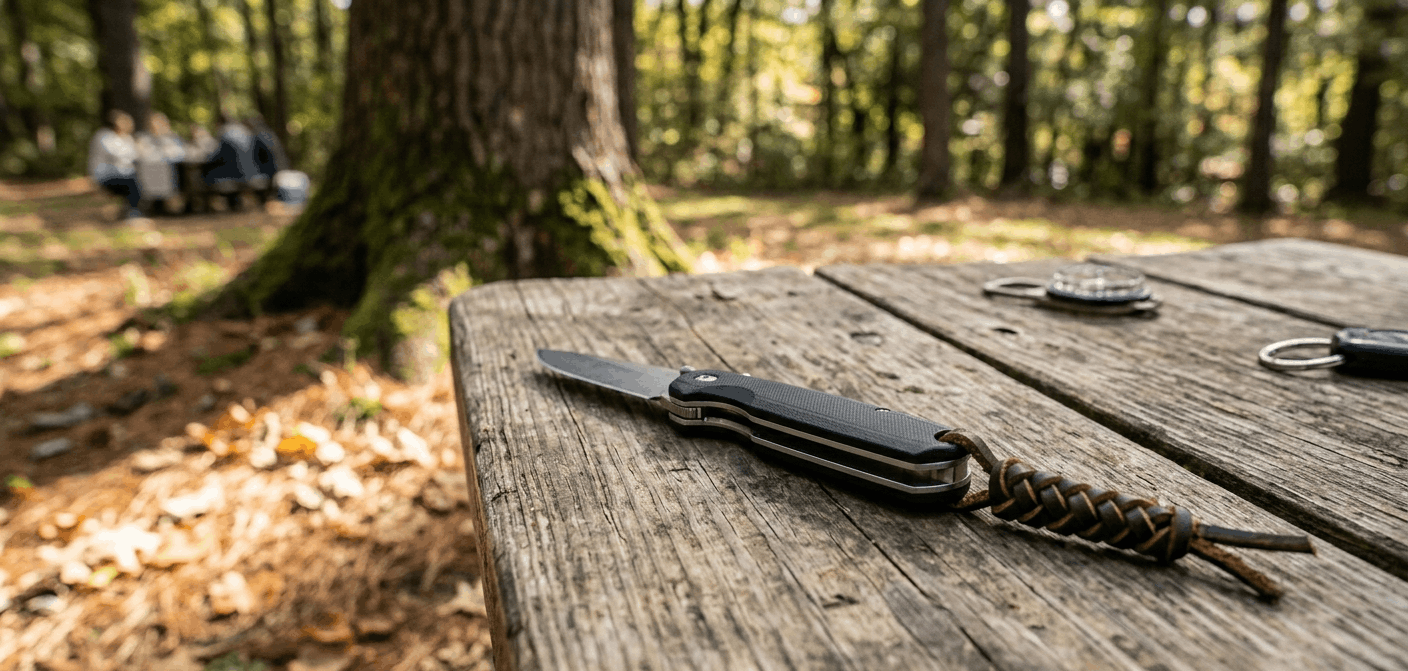
Handcrafted Folding Knife | Bespoke Custom Pocket Blade
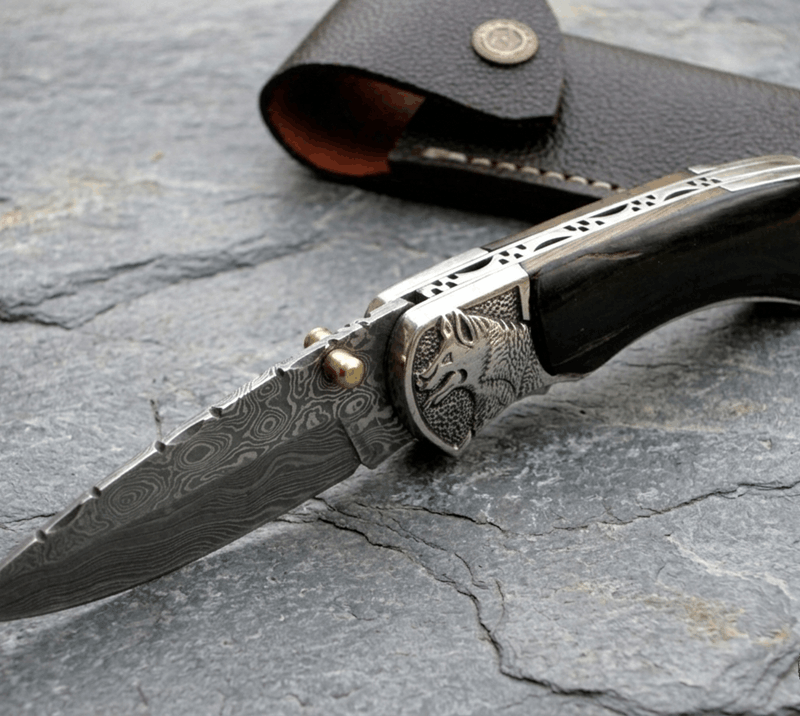
Original price was: $132.00.$120.00Current price is: $120.00.Artisan Engraved Folding Knife | Personalized Gift Pocket
Original price was: $120.00.$99.00Current price is: $99.00.Black Shadow Folding Knife | Tactical Stealth EDC Pocket
Original price was: $195.00.$160.00Current price is: $160.00.
A great folding knife is a daily companion — one that accumulates miles in your pocket, memories of tasks completed, and a personality that develops with use. Choosing the right one, maintaining it properly, and understanding its mechanisms allows a level of appreciation that transforms a simple tool into something genuinely meaningful. Explore our selection of premium folding knives, including handcrafted Damascus folders that bring artisan quality to your daily carry.
Author : John Willie
RELATED POSTS

April 25, 2026