

May 13, 2026
Chef Knife Guide: Choosing a Handcrafted Kitchen Blade That Transforms Your Cooking
September 23, 2025
What Defines a Skinning Knife?
A skinning knife is characterized by a dramatically curved, upswept blade optimized for the specific mechanics of hide removal. The deep belly — the curved portion of the cutting edge — is the skinner's primary tool, designed to sweep along the interior surface of the hide with minimal penetration depth. This allows the knife to separate hide from the underlying fat and meat cleanly without accidental cuts that damage the hide or puncture the stomach cavity. Most skinning knives have blades between 3.5 and 5.5 inches in length — long enough to make efficient sweeping cuts, short enough for control around joints and around the head and legs.
Skinning generates enormous demand for sharpness — perhaps more than any other hunting task. A dull skinner is not merely inefficient; it requires more force, causing fatigue and increasing the risk of slips and accidents. Steel selection for a skinning knife should prioritize ease of resharpening in the field. High-carbon steels like 1095 achieve extraordinary sharpness and resharpen in seconds on a smooth ceramic rod or leather strop. Semi-stainless options like D2 offer a compromise: better corrosion resistance than pure high-carbon with sharpenability that remains manageable in the field. Blade hardness in the 58-62 HRC range provides the edge retention needed for a full field-dressing session without constant touching up.
Skinner Knife Guide: The Hunter's Essential Blade for Field Dressing Game
Ask any experienced hunter what single knife they would choose if stranded in the field with only one blade, and many will name a quality skinner. The skinning knife is the specialist of the hunting knife world — a blade designed with a singular focus on one of hunting's most demanding tasks: separating hide from carcass cleanly, efficiently, and safely. A great skinner turns a physically demanding, messy process into a smooth, satisfying exercise in applied skill. This guide covers everything you need to know about selecting, using, and maintaining a quality hunting skinning knife.
Blade Shapes: Trailing Point vs. Drop Point
Two blade geometries dominate skinning knife design. The trailing point features a spine that curves upward to a tip that rides higher than the center axis — creating maximum belly and an elegant, sweeping cut profile. Trailing points are beloved by experienced skinners for the efficiency they provide on large game like elk and moose, where long, sweeping belly cuts save significant time. The drop point, with its convex spine curve and stronger tip, offers a safer design for hunters who dress a lot of animals — the robust, somewhat blunted tip is less likely to punch through and damage meat or stomach contents during opening cuts. Many hunters own both, using the drop point for opening cuts and the trailing point for primary hide removal.
Handle Ergonomics for Extended Skinning Work
Skinning is physically demanding work that may continue for an hour or more on large game animals. Handle ergonomics matter profoundly. The handle should feel secure and comfortable in both a normal forward grip and a reverse grip — both are commonly used during different phases of hide removal. A slight upswept handle that aligns with the blade's curved trajectory improves the efficiency of skinning strokes. Contoured finger grooves prevent fatigue during repetitive cuts. Non-slip handle materials — rubber-overlaid handles, checkered Micarta, or textured bone — maintain grip even when coated with fat and blood. Avoid handles with sharp edges or seams that create pressure points during sustained use.
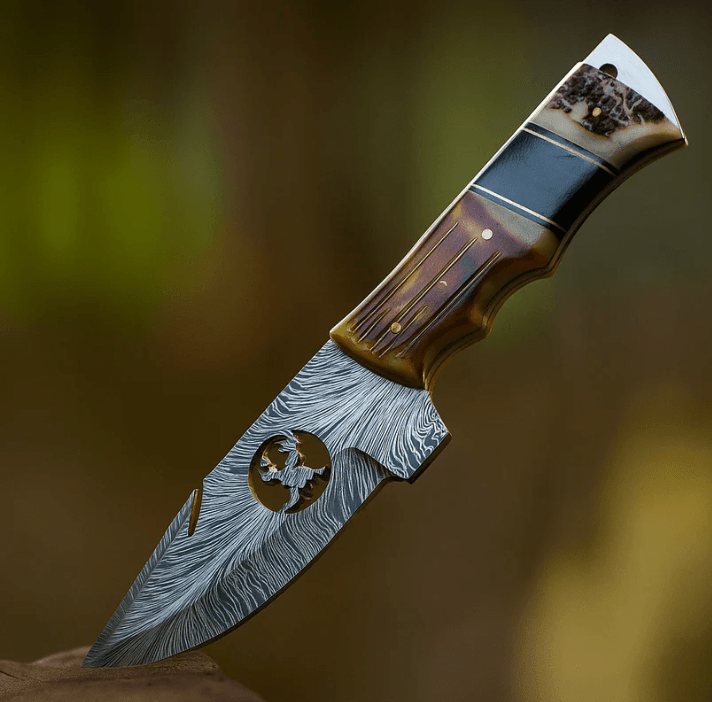
Many skinning knives incorporate a gut hook — a sharpened hook on the spine near the blade tip designed to open the belly cavity cleanly without piercing the stomach. Used properly, a gut hook is genuinely useful: it speeds the initial opening cut and reduces the risk of contaminating the carcass. However, gut hooks require their own sharpening tools (typically a small ceramic cone or diamond rod), and many hunters find them unnecessary with a properly controlled knife technique. For hunters who dress large volumes of game annually, a gut hook is a worthwhile feature. For occasional hunters or those who prefer minimalist tool design, it's optional. Many quality skinning knives are available in both gut hook and plain edge configurations.
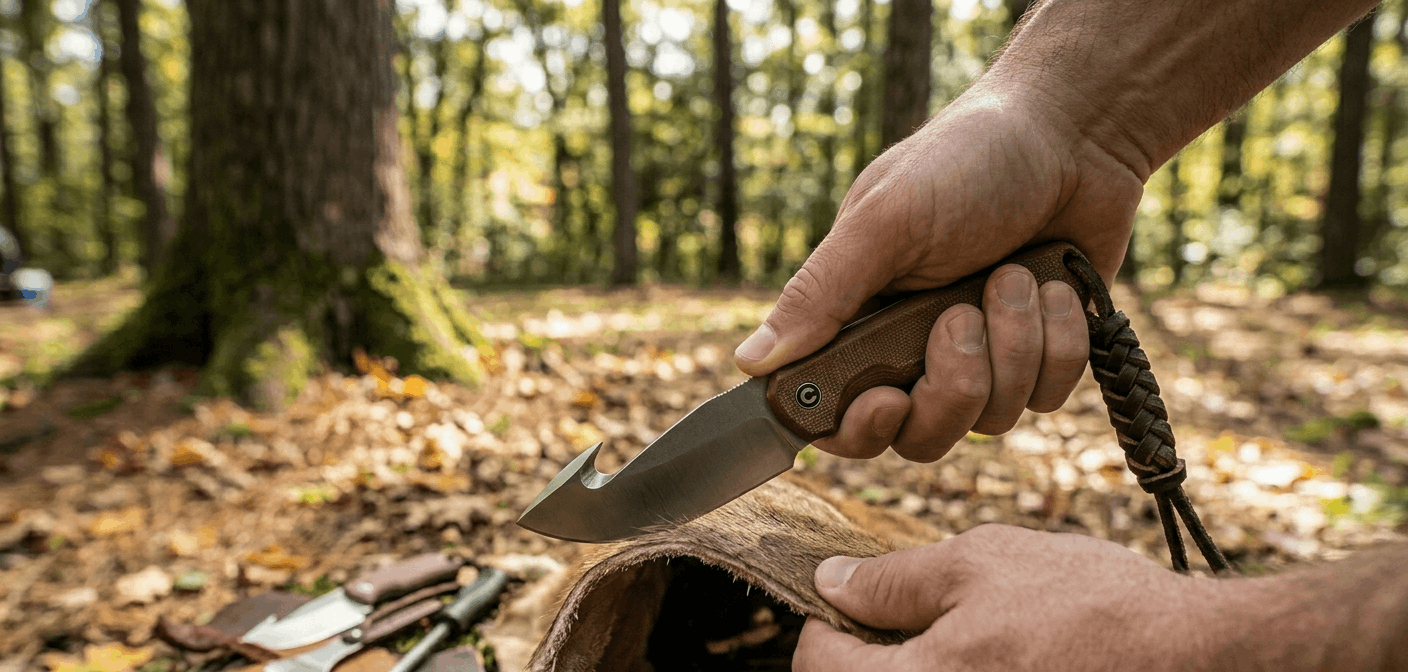
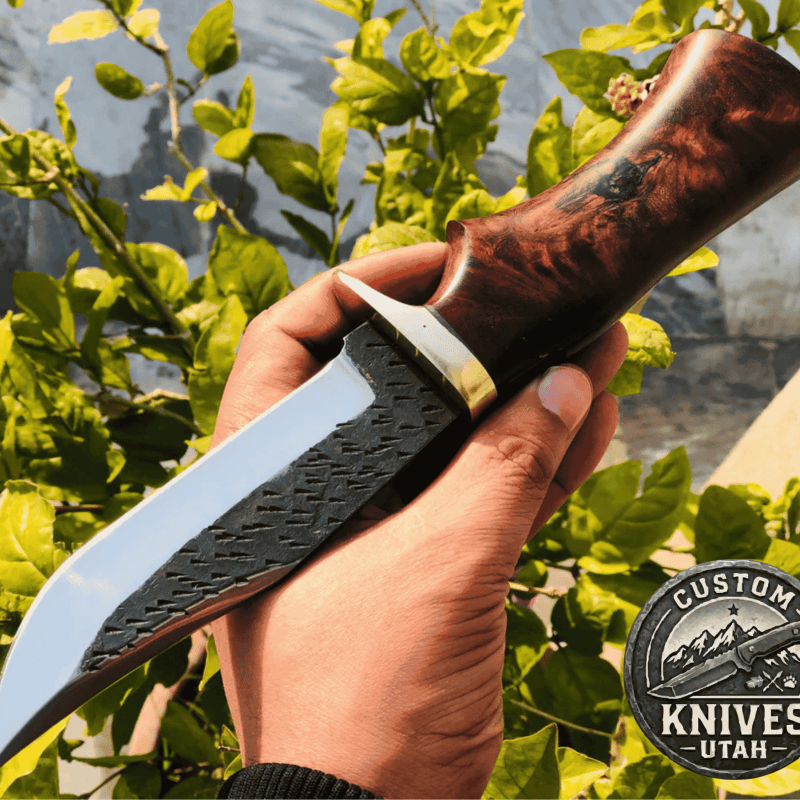
Skinner Forged Hunting Knife For Outdoor Sports
Original price was: $200.00.$169.00Current price is: $169.00.Skinner with Sharp Edge
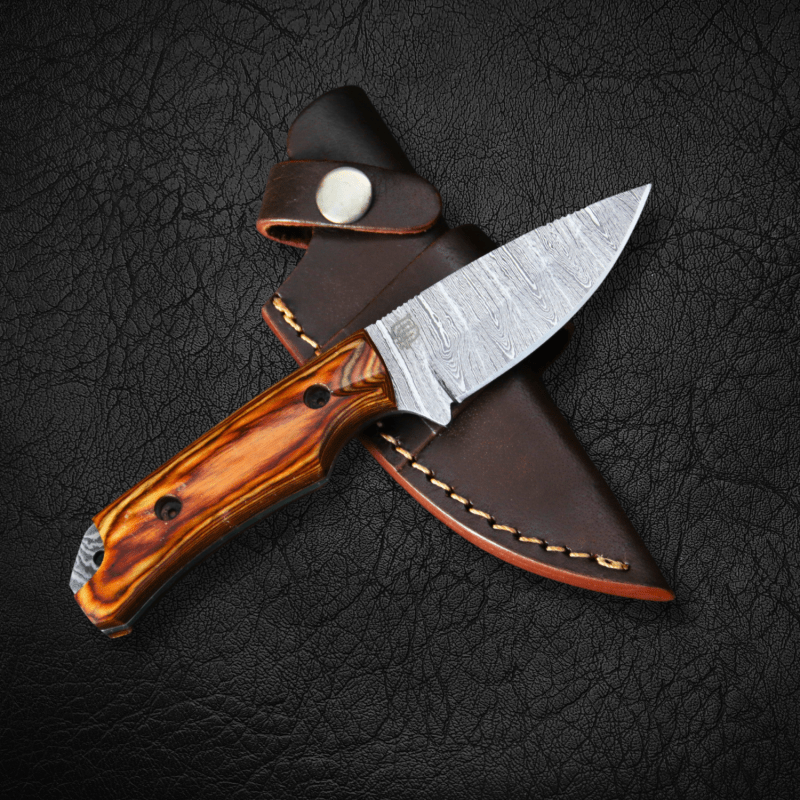
Original price was: $109.00.$99.00Current price is: $99.00.Skinner Knife With Cover
Original price was: $109.00.$89.00Current price is: $89.00.
A quality skinner in the hands of a practiced hunter is a thing of beauty — efficient, precise, and satisfying in the way that any well-designed tool used skillfully becomes satisfying. Investing in a handcrafted skinning knife, built from premium steel and shaped by a bladesmith who understands hunting's demands, elevates every trip afield. Explore our selection of custom hunting skinners, each crafted to honor the craft of the harvest.
Author : John Willie
RELATED POSTS

April 25, 2026