

Blades & the Art of Engraving
From the Bowie knives of Texas to the salmon filleters of Alaska, blade culture is woven into the American identity and personalized engraving makes it unforgettable.
Ask any American what they carry in their pocket, hang in their truck, or reach for at camp and more often than not, the answer is a knife. Blades are not just tools in the United States. They are culture, identity, and memory folded into steel. From the rugged frontiersmen of the 1800s to today's weekend hunters, homesteaders, chefs, and collectors, the knife has always held a sacred place in American life.
At customknivesutah.com, we serve customers in all 50 states and what we've learned is this: every region has its own relationship with blades. The reasons people love knives differ from Montana to Mississippi, from Maine to Maui. But one thing unites them all the desire to make a blade personal. That's where engraving comes in.
This guide explores the full spectrum of American knife culture, state by state, and explains why custom-engraved blades have become one of the most meaningful gifts and keepsakes in the country.
Why blade culture is part of American DNA
The United States was built on the frontier. Long before power tools, firearms, or modern agriculture, the knife was the single most important tool a person could own. It cleared brush, prepared food, dressed game, built shelters, and defended lives. That heritage never left, it just evolved.
Today, blade culture manifests in dozens of subcultures across America: hunting communities, fishing traditions, culinary arts, military service, survival prepping, competitive collecting, ranch work, and outdoor recreation. Each of these worlds has its own preferred blade, its own rituals, and its own reasons for cherishing a well-made knife.
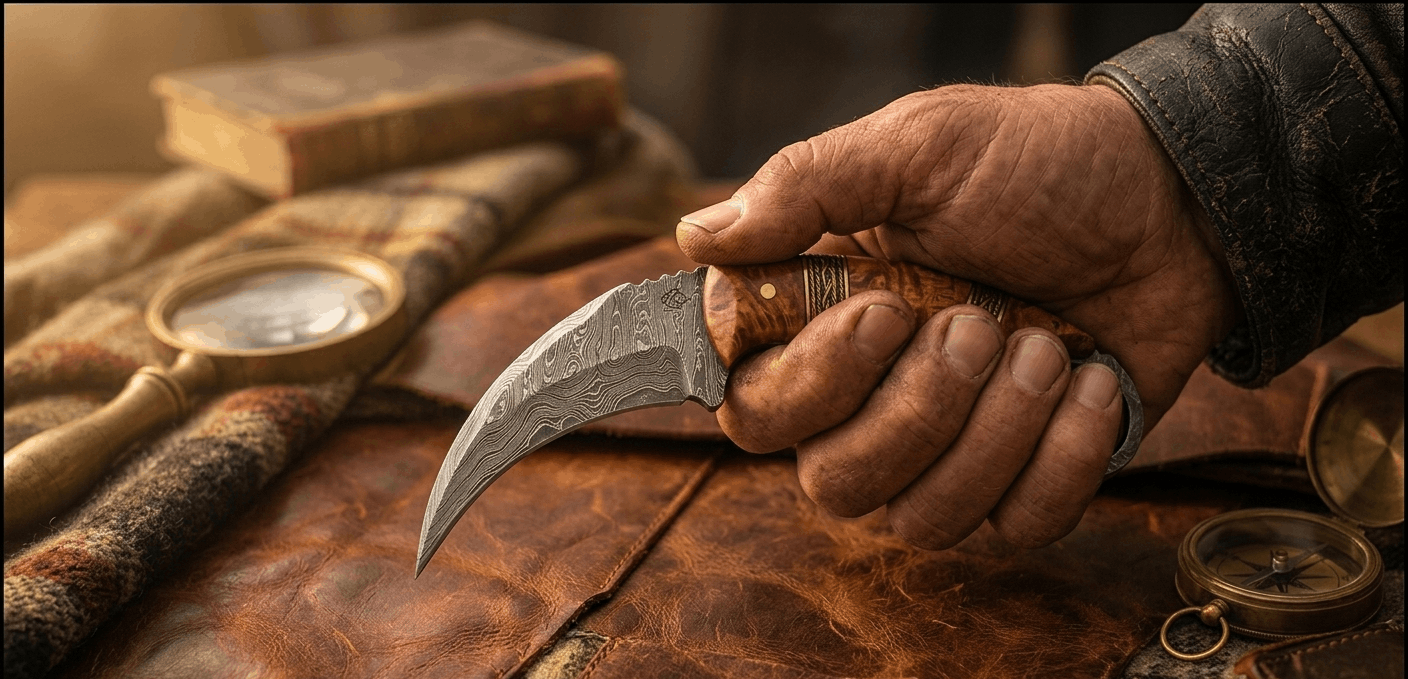
Engraving deepens that connection. When a blade carries a name, a date, a family crest, a military insignia, or a hand-drawn motif, it transforms from an object into an artifact. It becomes something worth passing down.
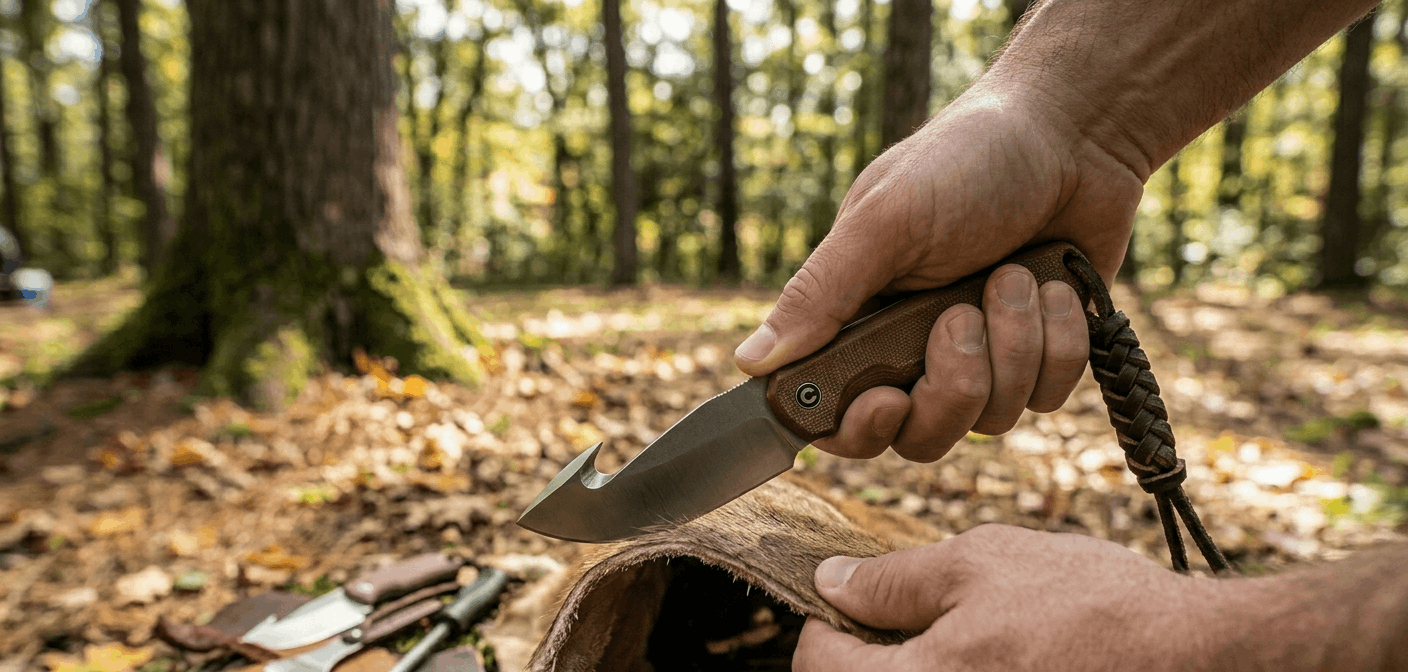
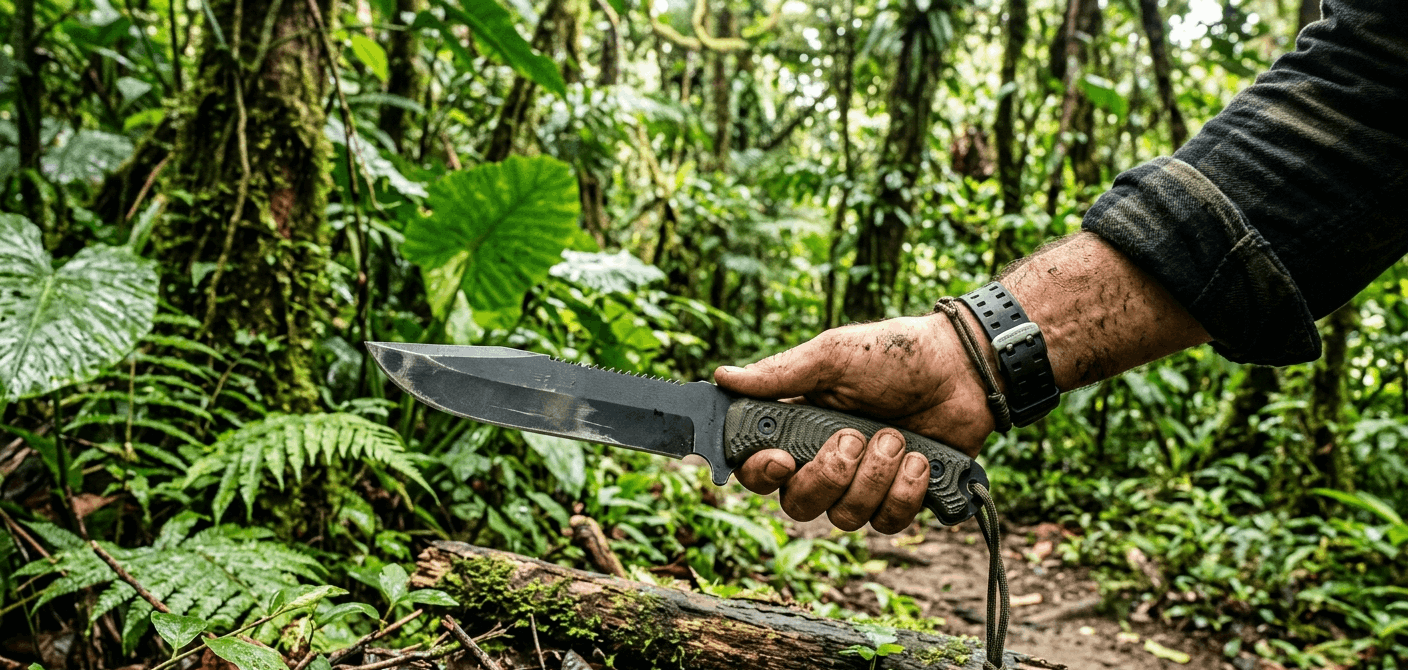
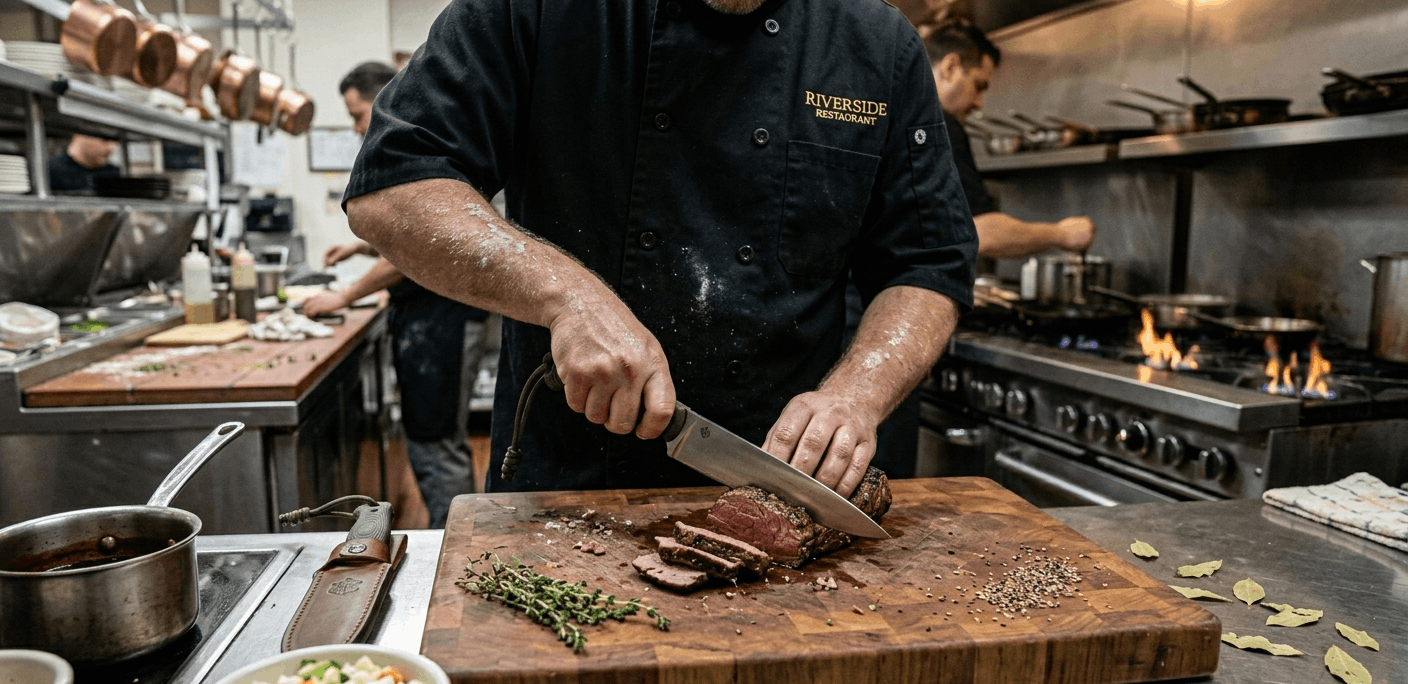
The 7 reasons Americans love engraved knives
- Heritage & identity. Millions of American families have traditions tied to the land hunting, ranching, fishing. An engraved blade with the family name or founding year captures that lineage in steel.
- Military & service tribute. Veterans and active-duty service members across all 50 states receive engraved blades as retirement gifts, deployment keepsakes, and medals of honor from their families.
- The perfect gift problem solved. A personalized knife is one of the few gifts that works for fathers, sons, grandfathers, groomsmen, hunters, chefs, and outdoorsmen alike. It says "I know who you are."
- Collectible culture. American knife collectors prize unique, one-of-a-kind pieces. An engraved blade with custom artwork is by definition rare no two are the same.
- Practicality that lasts. Unlike a trophy that sits on a shelf, a quality knife gets used. Every time it does, the engraving is seen, felt, and remembered.
- American patriotism. Eagles, flags, stars and stripes, the Constitution blade engraving is one of the most tangible ways Americans express their love of country.
- Rites of passage. First hunt, 21st birthday, wedding day, retirement, Americans mark their most important milestones with engraved blades that outlast the moment itself.
Blade culture by region : all 50 states
No two states relate to knives the same way. Here is a sweeping look at how blade culture lives and breathes across every corner of the United States and what type of knife each state tends to love most.
Texas
Texas is ground zero for American knife culture. The Bowie knife named after the legendary Jim Bowie and immortalized at the Alamo is more than a blade here; it is a state symbol. Texans carry knives the way others carry wallets. Ranchers use them daily. Hunters rely on them every season. And engraved Bowie knives are among the most popular Father's Day and graduation gifts across the Lone Star State.
The Deep South & Texas — Where the Bowie Knife Was Born
The surrounding Deep South shares this reverence. In Louisiana, Arkansas, Mississippi, Alabama, and Georgia, blades are embedded in the rhythm of rural life from catfish cleaning to deer processing to the simple act of whittling on a porch. A pocket knife in a back pocket is not a fashion statement here, it is a given.
Northwest & Alaska
Alaska is, by almost any measure, the most blade-dependent state in the union. With a year-round subsistence hunting and fishing culture, Alaskans depend on knives the way others depend on cars. The ulu a traditional crescent-shaped blade with Indigenous roots is Alaska's most iconic knife, used for everything from salmon processing to seal skinning. Fillet knives and survival knives are essential gear from Juneau to the Brooks Range.
The Pacific Northwest & Alaska — Blades That Work for a Living
Oregon and Washington share that relationship with the outdoors. The Pacific Northwest's vast wilderness the Cascades, Olympic Peninsula, and Willamette Valley breeds a culture of hiking, hunting, and foraging where a quality blade is never optional. Bushcraft knives and folding knives are constant companions here.
The Rocky Mountain States
Montana, Wyoming, Idaho, Colorado, Utah, and Nevada are states where hunting is not a hobby, it is a way of life and a major economic and cultural pillar. Elk season in Montana draws hundreds of thousands of hunters, every one of whom needs a reliable field-dressing knife. Skinner knives, hunting knives, and tracker knives dominate sales in this region.
The Rocky Mountain States — Hunters, Ranchers & Survivalists
The survival knife has a particularly devoted following in the Rocky Mountain states, where weather turns fast and backcountry distances are real. Engraved survival knives make powerful gifts for hunters and outdoorsmen often personalized with coordinates, dates of significant hunts, or family names.
The Great Plains & Midwest
From Kansas wheat fields to Iowa corn country to the cattle ranches of Nebraska, the Midwest's blade culture is rooted in labor. These are states where a pocket knife is opened dozens of times a day to cut baling twine, open feed bags, trim wire, or prepare a meal in the field. The folding knife and pocket knife dominate here, valued for their reliability and portability.
The Great Plains & Midwest — Working Blades for Working People
Steak knives hold a special place in Midwestern culture too particularly in Kansas City and Chicago, where beef culture and the steakhouse tradition make a quality blade set a point of pride at the dinner table. Engraved steak knife sets are among the most popular wedding gifts across the Midwest.
The Northeast
New England has its own blade traditions particularly in Maine, Vermont, and New Hampshire, where hunting and fishing are deeply embedded in the culture. Fillet knives are ubiquitous along the Maine coast. Folding knives and pocket knives are carried daily by loggers, farmers, and tradespeople throughout the region.
The Northeast — Collectors, Chefs & Camp Traditionalists
The Northeast's urban centers New York, Boston, Philadelphia house some of the country's most serious knife collectors and culinary professionals. Chef knives and knife sets are prized investments here. Collectible daggers and historical blade replicas find devoted audiences among history enthusiasts in states like Massachusetts, Connecticut, and Pennsylvania.
The Southeast & Gulf Coast
Florida, Georgia, South Carolina, and North Carolina share a vibrant fishing and coastal outdoor culture where fillet knives are as common as sunscreen. The Gulf Coast from Pensacola to Corpus Christi is home to some of the most dedicated recreational fishermen in the world, and a quality fillet knife is sacred gear.
The Southeast & Gulf Coast — Fishing Culture & Military Pride
The Southeast also has one of the highest concentrations of military bases and veterans in the country from Fort Bragg to Eglin Air Force Base to the Naval Station in Jacksonville. Military tribute blades, engraved with unit insignias, deployment dates, or rank, are deeply meaningful gifts in these communities. Karambit knives and tanto blades have found devoted followings in martial arts and self-defense communities throughout the region.
The Southwest
Arizona, New Mexico, and Nevada carry both the practical survival knife culture of the desert and a deep Western heritage aesthetic. The tanto blade with its angular Japanese-influenced point — has found enormous popularity in the Southwest among collectors, martial artists, and tactical enthusiasts. Survival knives are everyday carry in a region where rattlesnakes, extreme heat, and remote terrain are genuine considerations.
New Mexico and Arizona's Native American heritage adds another dimension to blade culture traditional blade-making is a revered craft, and collectors seek out pieces that honor Indigenous artistry. Engraved blades with Southwestern motifs turquoise inlays, desert landscapes, pueblo patterns are uniquely popular in this region.
The engraving tradition: more than just a name
Custom engraving elevates a blade from a purchase to a possession. Americans have been personalizing their tools and weapons since the colonial era, gunsmiths engraved rifles, blacksmiths marked their blades, soldiers carved their initials into handles before marching to war. At CountryBlades.com, we carry that tradition forward with precision laser engraving on every blade in our collection.
The most popular engraving choices across our 50-state customer base reflect what Americans value most:
Engraved knives are among the top three most-gifted items for Father's Day, retirement, and military homecoming celebrations in the United States. A personalized blade says what words often cannot and it lasts a lifetime.
- Names and dates — The most personal choice. A first name and a birth year. A wedding date on matching steak knives. A grandfather's full name on a Bowie knife passed to a grandson.
- Patriotic symbols — Bald eagles, American flags, the Constitution's opening words, military branch seals. These are among our most-ordered engravings year-round.
- Coordinates — GPS coordinates of a meaningful place: a family cabin, a hunting property, a battlefield, the town where someone was born.
- Hunting imagery — Buck silhouettes, elk antlers, bass jumping, pheasants in flight. Regional wildlife reflects the outdoor identity of each state.
- Scripture and quotes — Bible verses, favorite sayings, and family mottos give blades a deeper meaning that resonates for generations.
1Is it legal to own an engraved knife in all 50 states?
Most fixed-blade and folding knives are legal to own in all 50 states, though carry laws vary by state and locality. We recommend reviewing your state's knife laws before carrying outside the home. All blades sold at CountryBlades.com are legal to purchase and own nationwide.
2What is the best knife for hunting in the United States?
For most American hunters, the hunting knife, skinner knife, and tracker knife are the top choices for field dressing and processing game. The right choice depends on the game, deer hunters often prefer a drop-point skinner, while elk hunters favor a heavier tracker or Bowie-style blade.
3Can I engrave any knife from CustomKnivesUtah.com?
Yes — custom engraving is available on virtually every blade in our collection across all 20+ categories, from Bowie knives to chef knives to collectible daggers. You can upload custom text, choose from our engraving library, or submit original artwork.
4What is an ulu knife and where does it come from?
The ulu is a traditional Alaska Native crescent-shaped blade used for centuries by Indigenous communities for food preparation, skinning, and everyday tasks. It remains one of Alaska's most culturally significant knives and is widely popular as a practical kitchen and camp tool across the Pacific Northwest.
5Do you ship engraved knives to all 50 states?
Absolutely. customknivesutah.com ships to all 50 states, including Hawaii and Alaska. Most orders ship within 3–5 business days, with engraving completed before dispatch and included in your order confirmation photos.

Fast
Delivery

High quality
Products1

Special
Offers
