The Dagger, Two Thousand Years of the Double Edge
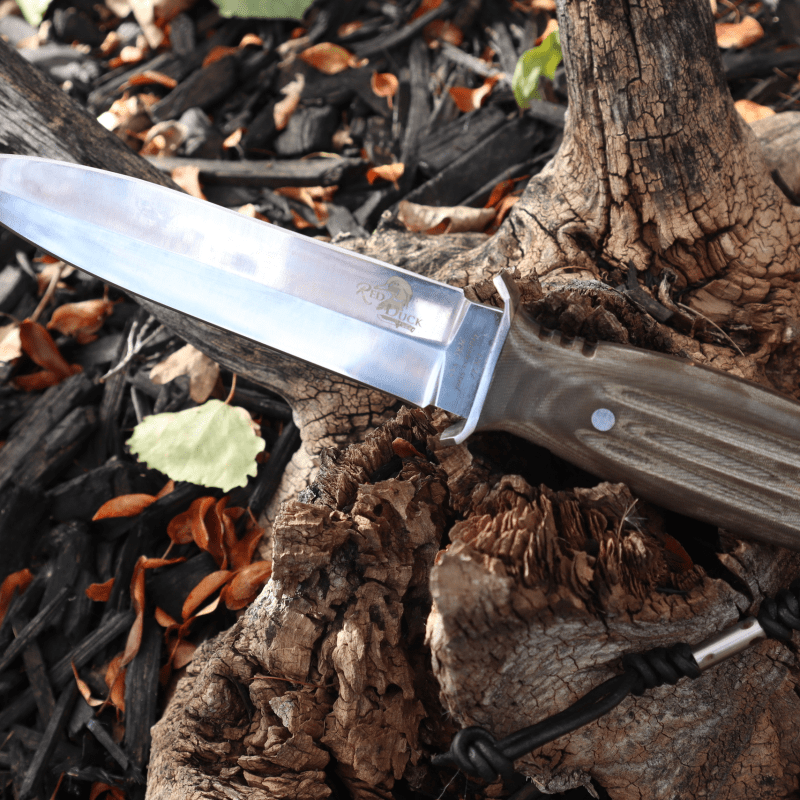
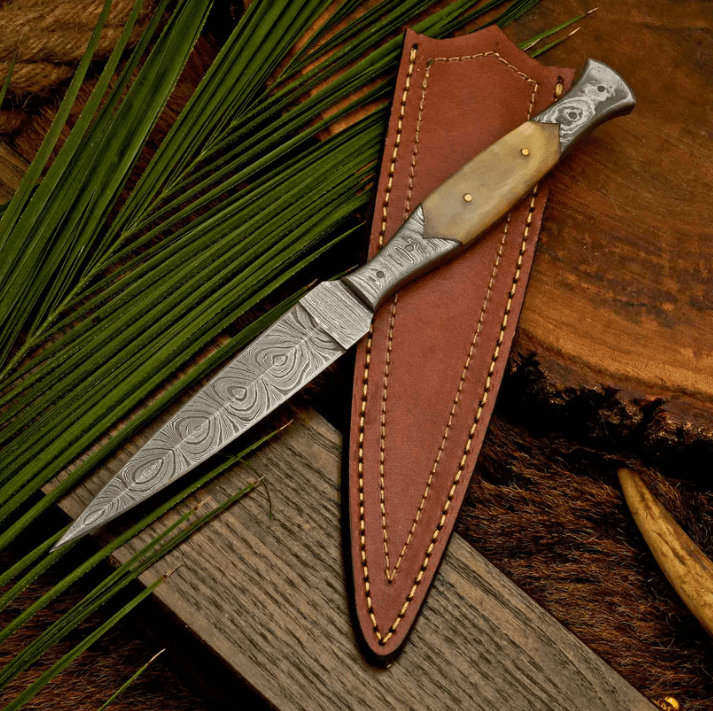
A dagger is a short, fixed-blade knife characterised by a double-edged blade, a pointed tip, and symmetrical construction designed primarily for thrusting. Unlike a single-edged utility knife, every element of the dagger's design serves a single purpose: delivering a precise, powerful strike. The double edge allows effective cutting on both the draw and the thrust, while the needle-sharp point maximizes penetration.
Typically ranging from 6 to 12 inches in overall length, daggers are compact enough to wear concealed yet deadly in close-quarter situations. Throughout history they have been carried by soldiers, nobles, assassins, and civilians alike and today they are equally prized by martial artists, historians, re-enactors, and serious collectors.
A brief history of the dagger
The dagger is among humanity's oldest intentional weapons. Flint daggers were knapped by Neolithic craftsmen as far back as 4000 BCE, their double-edged forms eerily similar to the steel blades that would follow millennia later. Bronze Age smiths refined the form across Mesopotamia, Egypt, and the Aegean, producing blades of striking artistry as well as lethality.
In the 19th and 20th centuries, military daggers became symbols of rank and unit pride. The German Heer dagger, the British Fairbairn-Sykes fighting knife, and the American V-42 stiletto are among the most collectible military blades ever produced each a physical record of the conflicts and cultures that shaped them.
Proper care preserves both the blade's function and its collector's value. Clean the blade after any use or handling skin oils accelerate corrosion on bare steel. Apply a thin coat of Renaissance Wax or food-safe mineral oil to carbon steel blades. Store the dagger in its scabbard or a padded display case away from humidity. For antique pieces, avoid aggressive polishing that may strip original patina, which is itself part of the blade's provenance and value.